

The new EU Merger Guidelines: resilience opens the door for European deals
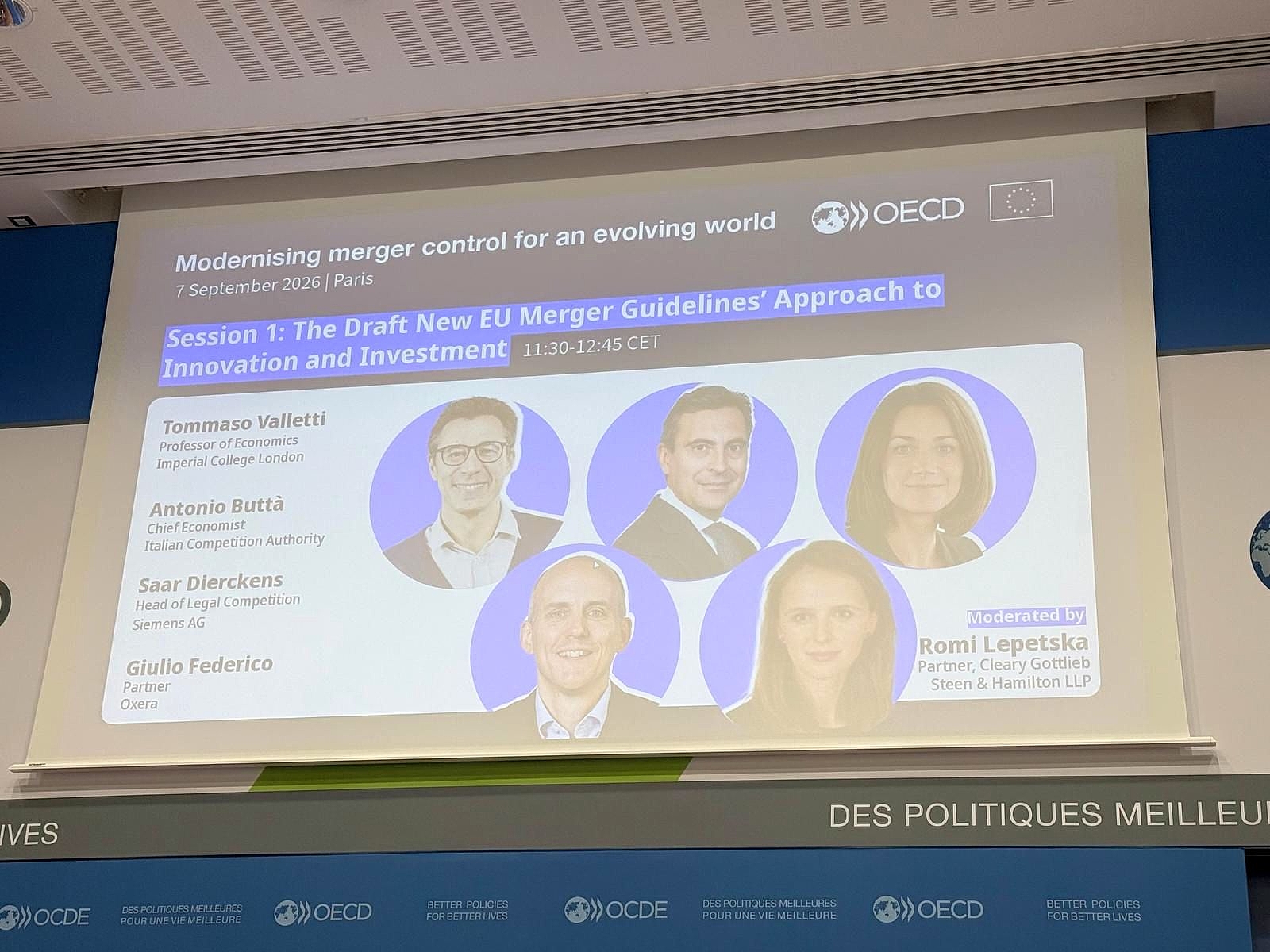
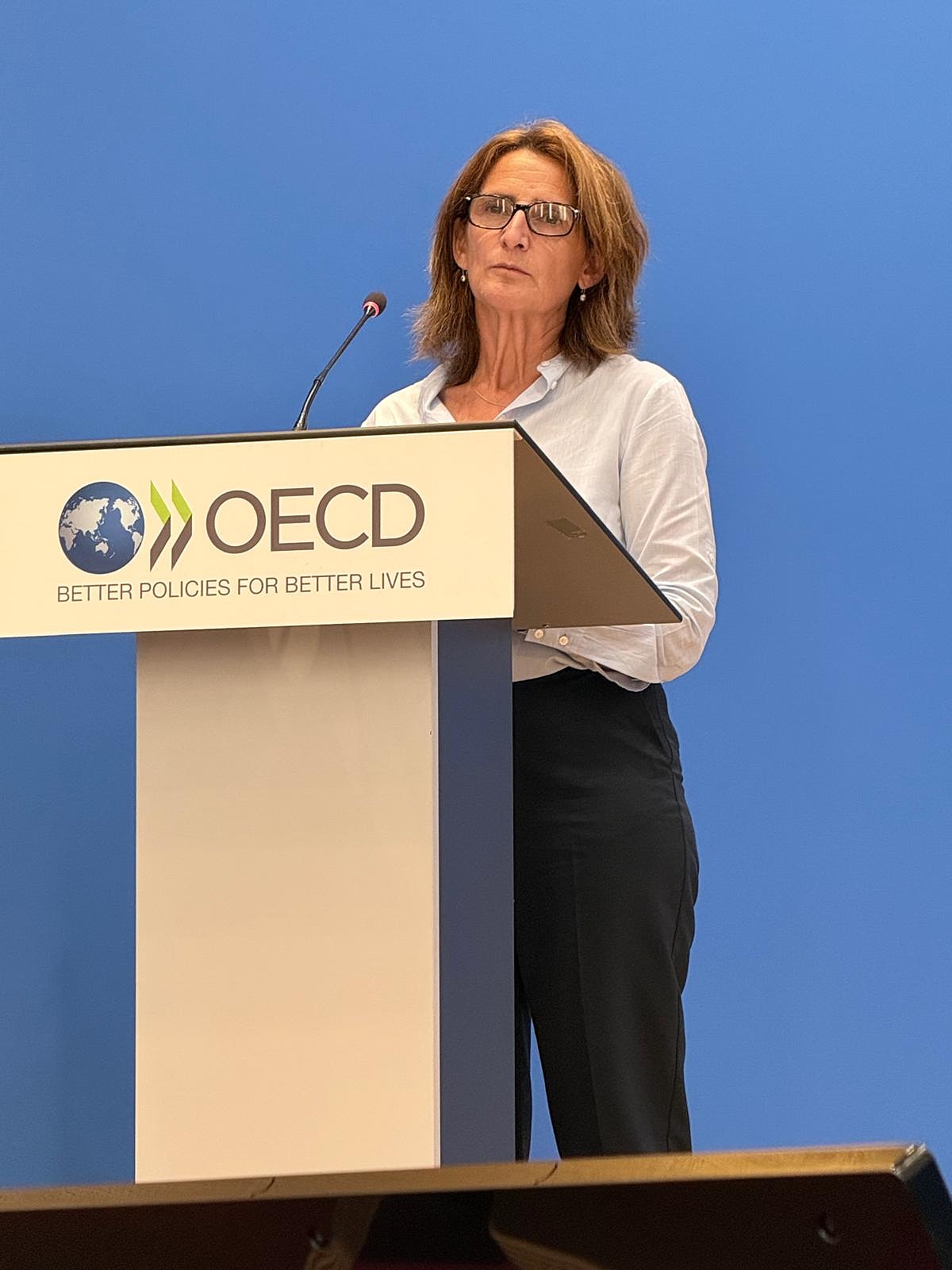

On 7 September 2026, the OECD conference "Modernising merger control for an evolving world" took place in Paris, co-hosted by the OECD Competition Division and the European Commission's Directorate-General for Competition. The centrepiece of the discussion was the draft of the new EU merger guidelines, with a keynote by Executive Vice-President Teresa Ribera.
The guidelines are the first substantive revision in roughly two decades. They replace both the 2004 horizontal merger guidelines and the 2008 non-horizontal merger guidelines, merging them into a single document in recognition of the fact that many transactions produce both horizontal and non-horizontal effects.
In substance, the exercise is largely a codification of the Commission's existing decisional practice. The legal test remains unchanged; the draft reflects the Commission's previous practice and expands the range of factors relevant to the competitive assessment. Established theories of harm have been broadened and updated, and the newly added theories largely mirror the approach taken in recent decisions. There is no proposed relaxation of the rules to facilitate "European champions": transactions giving rise to a significant impediment to effective competition must still be prohibited or remedied.
The most striking development, in our view, is the elevated status of resilience. For the first time, supply chain resilience and defence readiness are formally embedded in the competitive assessment itself. Factors relevant to resilience include the security and diversity of supply chains, the security of critical infrastructure, defence readiness, and the build-up of capacity and capabilities within the internal market, with a view to reducing dependencies on a small number of suppliers or on particular regions of the world.
This opens a new avenue of argument for European transactions: parties can now advance efficiency and resilience claims in a structured way. Evidence remains decisive: objective criteria and verifiable evidence stay central, particularly where parties claim that a deal will deliver efficiencies or public-interest benefits. Commissioner Ribera stressed that the focus is on the resilience of European markets rather than the protection of individual companies, and that scale matters but is not an objective in itself.
The consultation on the draft closed on 26 June 2026. The final text is expected to be adopted before the end of 2026.